Showing posts with label Viacom Lawsuits. Show all posts

Thursday, February 12, 2026

Big Time Rush Creator Scott Fellows Settles Lawsuit Against Sony Music

Big Time Rush creator Scott Fellows is reportedly suing Sony Music for allegedly cheating him out of the band's reunion tour profits.

Big Time Rush
Big Time Rush

Fellows, who created Nickelodeon's hit musical comedy series about a fictional boy band, which ran from 2009 to 2013, has brought a series of breach of contract claims against Sony.

He claims the record label intentionally "concocted a bad faith entity shell game" to cut him out of a 2021 licensing deal that allowed Big Time Rush to reunite as an independent entity, in exchange for 10% of future revenues.

During the show's original run, the real-life members of Big Time Rush - Kendall Schmidt, James Maslow, Logan Henderson and Carlos PenaVega - released music and toured under a deal with Sony Music.

According to Fellows' lawsuit, he received contractual payments amounting to 3.75% of the band's touring revenue until its members went their separate ways in 2014.

As stated in the complaint, when Big Time Rush reunited in 2021, the group struck a deal to go independent from Nickelodeon and Sony Music. The lawsuit reveals that the band licensed its trademarks and past music from Sony and Nickelodeon in exchange for 10% of future revenues.

Fellows' attorneys allege in the lawsuit that Sony "restructured its inter-company arrangements" and his rights to his share of touring revenue were eliminated.

Fellows is now seeking to recoup his cut of Big Time Rush's 2022 reunion tour, as well as the band's In Real Life world tour, which is scheduled to kick off on Wednesday, 9 July.

Update (2/12/26): Scott Fellows, who created the hit show about a fictional boy band that ran on Nickelodeon from 2009 to 2013, sued Sony this past summer, alleging the major music company nefariously structured Big Time Rush’s 2021 reunion deal to cut him out of touring revenues. Now, a Thursday (Jan. 29) federal court notice says the matter has been resolved, Billboard Pro reports.

“The parties have reached a settlement in [principle] of the above-titled matter,” reads the joint filing from Fellows and Sony, which does not spell out any terms of the resolution. Reps for both sides did not immediately return requests for comment on the matter.

The real-life members of Big Time Rush released music and toured under a deal with Sony during the heyday of their Nickelodeon show. According to Fellows’ lawsuit, this deal gave him 3.75% of the band’s touring revenue until its members went their separate ways in 2014.

Big Time Rush reunited in 2021, but this time they opted to go independent. Fellows claims the band licensed its trademarks and catalog in exchange for giving Nickelodeon and Sony 10% of future revenues — but that Sony intentionally wrote the terms of this licensing deal to eliminate his share of the profits.

Fellows’ lawsuit sought to recoup a 3.75% share of the earnings from Big Time Rush’s 2022 reunion tour and the ongoing In Real Life World Tour, which kicked off in July and is set to run through March.

Big Time Rush the band was not named in the lawsuit or accused of any wrong-doing. Reps for the group did not return a request for comment on the settlement.

Shop your favorite Nickelodeon shows at ParamountShop.com

Stream a Mountain of Entertainment, including your Nickelodeon favorites on Paramount+! Try it FREE at ParamountPlus.com!


Originally published: July 09, 2025.

Original source: Cover Media / Yahoo! News.

Follow NickALive! on Twitter, Reddit, Instagram, Facebook, Google News, Tumblr, via RSS and more for the latest Nickelodeon and Big Time Rush News and Highlights!

Friday, August 29, 2025

You Don’t Actually Own That Movie You Just 'Bought.' A New Class Action Lawsuit Targets Amazon Over Misleading 'Buy' Button

A suit challenges Prime Video telling people they can "buy" a movie when they're purchasing a license to watch it for a period of time.

Amazon Logo
Edward Smith/Getty Images

A little known fact about movie and TV show “purchases” online: What’s being bought isn’t actually ownership of the title but rather a limited-time license for viewing access. Consider the $4.99 director’s cut of Alien on Amazon Prime Video. Cheap, right? But if the tech giant loses the rights to that version, the movie can be replaced with a different cut, like the one for theaters. And if Amazon loses the rights to the film altogether, it’ll completely disappear from the viewer’s library.

So should Amazon be able to say a consumer is “buying” that movie? Some people don’t think so, and they’ve turned to court.

On Friday, August 22, a proposed class action was filed in Washington federal court against Amazon over a “bait and switch” in which the company allegedly misleads consumers into believing they’ve purchased content when they’re only getting a license to watch, which can be revoked at any time.

The issue came to the forefront at the California legislature in 2023 when gamers discovered that their access to The Crew would be cut off once Ubisoft shut down servers for the game. After, the “Stop Killing Games” movement was born to stop publishers from destroying titles consumers had already bought.

Lisa Reingold, who filed the lawsuit, says she bought Nickelodeon's Bella and the Bulldogs — Volume 4 on Amazon in May for $20.79 but soon lost access to the title. It’s not an uncommon occurrence, similarly affecting consumers across digital stores, like those hosted by Apple and Google. If you bought Downton Abbey through Amazon as the five seasons came out from 2010 to 2015, you’d no longer have them by 2024.

The way in which digital transactions are structured, the lack of transparency around them and the streaming landscape is partly why physical media is kind-of-sort-of cool again. DVDs offer the ability, now and forever, to bypass the complicated web of licenses that leave fans unable to access their favorite titles.

The lawsuit accuses Amazon, which didn’t respond to The Hollywood Reporter's request for a comment, of misrepresenting the nature of movie and TV transactions during the purchase process. On its website and platform, the company tells consumers they can “buy” a movie. But hidden in a footnote on the confirmation page is fine print that says, “You receive a license to the video and you agree to our terms,” the complaint says.

The issue is already before a court. In a 2020 lawsuit alleging unfair competition and false advertising over the practice, Amazon maintained that its use of the word “buy” for digital content isn’t deceptive because consumers understand their purchases are subject to licenses. Quoting Webster’s Dictionary, it said that the term means “rights to the use or services of payment” rather than perpetual ownership and that its disclosures properly warn people that they may lose access. The court ultimately rebuffed Amazon’s bid to dismiss the lawsuit outside of a claim alleging a violation of Washington’s unjust enrichment law.

Recent legislative changes may make the lawsuit even more viable. Earlier this year, a California law went into effect barring the advertisement of a transaction as a “purchase” unless it offers unrestricted ownership of the product. Under the statute, sellers must obtain acknowledgement that buyers are aware they’re actually buying a limited license, in this case movies or TV shows, that can be revoked.

Amazon “does not meet the standards set by the statute for a clear and conspicuous notice that the thing they are purchasing is a revocable license to access the digital good,” writes Wright Noel, a lawyer for consumers looking to sue the company, in the complaint. “The warning is buried at the very bottom of the screen, in font that is considerably smaller than the other text on the screen.”

The lawsuit claims violations of California unfair competition, false advertising and consumer legal remedies laws. It seeks unspecified damages, including disgorgement of profits and punitive damages for allegedly intentionally malicious conduct.

Shop Nickelodeon at ParamountShop.com

Stream a Mountain of Entertainment, including your Nickelodeon favorites on Paramount+! Try it FREE at ParamountPlus.com!


Originally published: August 29, 2025.


Follow NickALive! on Twitter, Reddit, Instagram, Facebook, Google News, Tumblr, via RSS and more for the latest Nickelodeon and Nicktoons & The Dice of Destiny News and Highlights!

Friday, February 07, 2025

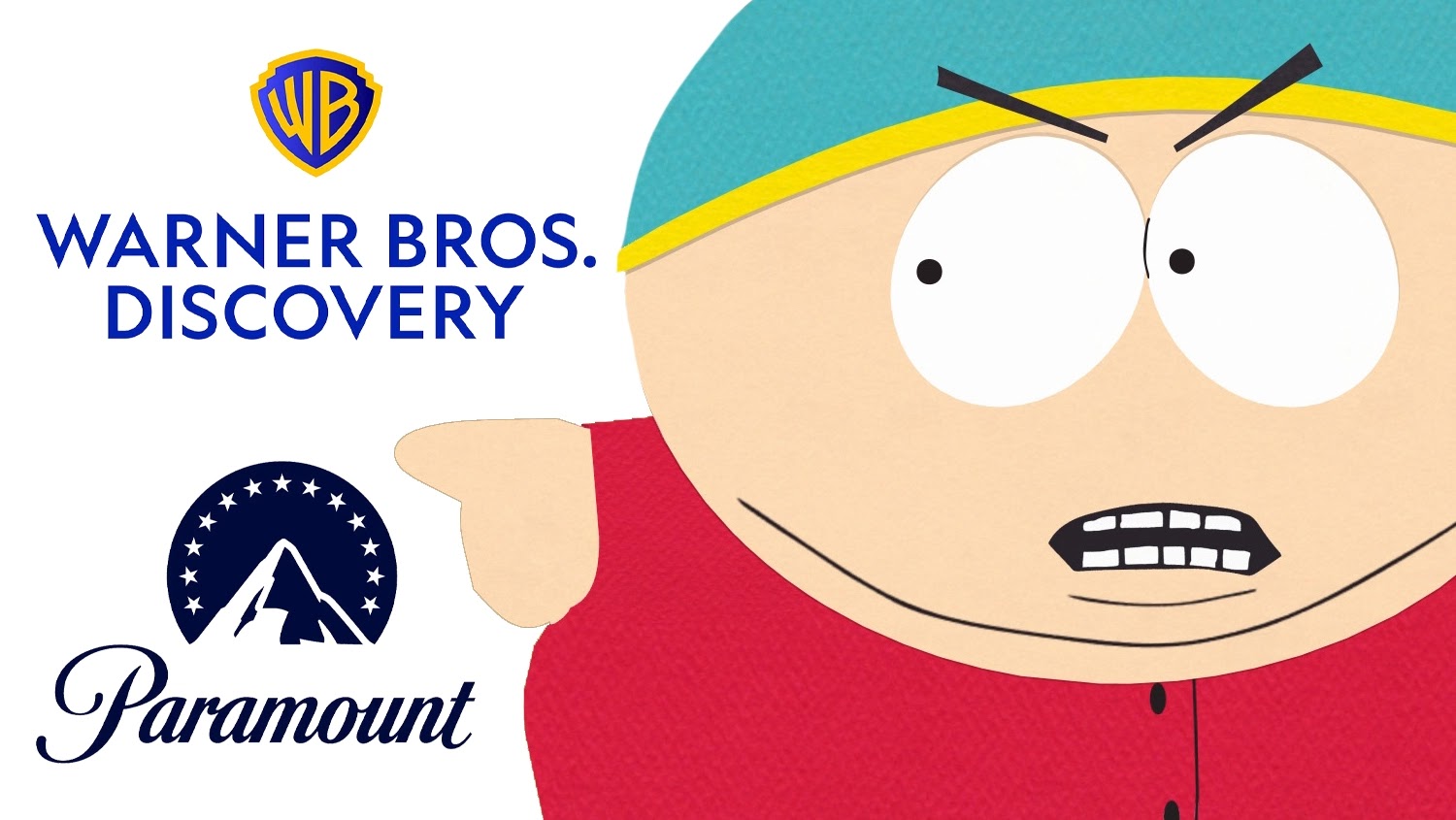
‘South Park’ Streaming Brawl: Warner Bros Discovery Fights To Keep Alive Suit Against Paramount Global & Series Creators

See below for the latest updates

The studios are putting on a united front when it comes to the striking scribes and actors, but the Warner Bros. Discovery and Paramount Global dust-up over who really has the streaming rights to Eric Cartman and the South Park gang shows no signs of settling down, Deadline reports.

Cartman from South Park

In the match of legal dodgeball that the David Zaslav and Shari Redstone-run conglomerates have been hurling at each other the past few months, WBD are now moving to have Paramount’s partial motion to dismiss tossed out.

“Defendants’ Motion has the dubious distinction of trying to downplay while simultaneously highlighting the very misconduct which forced Plaintiff to file this suit,” declares WBD’s memorandum of opposition to the desire by Paramount and series creators Trey Parker and Matt Stone to disperse the Max parent company’s $200 million lawsuit (read it here).

“The reality is that Defendant South Park Digital Studios agreed that Plaintiff’s HBO Max streaming platform would be the exclusive destination for consumers looking to stream new episodes of the popular comedy series South Park. Defendants came to regret having granted these exclusive streaming rights to Plaintiff when Paramount Global launched its own streaming platform, Paramount+,” WBD added.

In a Hollywood seemingly looking to cut costs and trim spending everywhere it can, the initially filed February 24 action over South Park comes from the $500 million 2019 deal where then AT&T-owned WarnerMedia snared multi-year domestic streaming rights to the 23-season past seasons of South Park plus several new seasons. Adding around 300 episodes of the Comedy Central show to Warner’s inventory for mid-2020, the agreement with the then Viacom was to be paid in installments of about $25 million a quarter – which worked out fine until early this year.

That’s when WBD turned off the money tap in protest, but kept streaming the series

The company alleges that soon after an August 2021 $900 million “f*ck you-money” deal that ViacomCBS made with Parker and Stone’s South Park Digital Studios, the 2019 deal started to sour. WBD claims Paramount SPDS and MTV Entertainment wedged in loophole of sorts in the original deal that now permitted them to fully retain new seasons of South Park and more than a dozen so-called “original movies” based on the series.

Rubbing some vinegar in the wound, a subscriber seeking Paramount+ said in early 2022 that come 2025 they would be the global streaming hub for all the South Park episodes, movies, and made-for-streaming movies.

“In short, Defendants’ assertions that it provided all required content to Plaintiff are contradicted by the multitude of factual allegations evincing SPDS’s bad faith conduct in diverting new South Park episodes to Paramount+ after granting exclusive streaming rights in such content to Plaintiff,” says WBD in their July 13 East Coast opposition filing. “At most, Defendants’ assertions present a disputed issue of fact that a jury will need to decide, not grounds for dismissal of Plaintiff’s well-pled claims at the initial pleading stage.”

Giving Paramount the gears for “deceptive acts” to lure viewers to watch South Park on Paramount+  over what was once called HBO Max, WBD are determined to have this Steaming Wars battlefield remain very active, at least for now.

“This is not merely ‘garden variety’ behavior as Defendants argue,” the 27-page document asserts. “Rather, it is a textbook example of bad faith business conduct, with a consequential adverse impact on consumers at large. Plaintiff’s claims are based on well-pled factual allegations that go far beyond the minimal requirements necessary to withstand a motion to dismiss. Defendants’ Motion is groundless and should be denied in its entirety.”

The opposition drafted up by WBD’s Walden Macht & Haran LLP attorneys asks New York Judge Margaret Chan to schedule an oral argument hearing on whether Paramount Global’s partial motion can go forward or not. Though Zaslav and Redstone may not be bringing it up around the fireplace at Sun Valley this year over roasted marshmallows, there is also the matter of Paramount’s more than $50 million countersuit too.

That missive from the Redstone-run corporation was fired off in April along with the partial motion to dismiss.

Or, as Cartman once said: “The only way to fight hate is with even more hate!”

Neither WBD nor Paramount Global responded to Deadline's requests today for comment on this latest legal move.

Update (2/7/25) - Max's rights to the South Park catalog are set to expire in 2025, with the series thought to be heading to Paramount+.

Update (2/7/25) - via Deadline:

Warner Bros Discovery‘s lawsuit against over South Park streaming rights looks like it’s headed to trial. In a legal win for WBD, a Manhattan judge ruled today that defendant Paramount Global might have breached its contract with the David Zaslav-run company.

Justice Margaret Chan of New York State Supreme Court denied a motion for summary judgment by Paramount Global and MTV Entertainment Studios to dismiss the “unjust enrichment” portion of the $200 million suit (read the ruling here). The decision clears the way for the case to go before a jury.

“Plaintiff makes multiple allegations that defendants deny but at this time have neither proven nor disproven,” Chan wrote.

At issue is the right to stream episodes labeled as “specials” not specified in the companies’ deal. Chan ruled that

Paramount/MTV had argued that the unjust-enrichment portion duplicated other claims in the lawsuit and that, even if that weren’t the case, the claim should be tossed because WBD failed to plead the essential element that the defendants received a benefit at plaintiff’s expense.”

But Chan disagreed on both counts, ruling that Paramount/MTV “define the dispute too narrowly.” The defendants, she wrote, “didn’t receive third-party fees in the abstract; Paramount/MTV received the right to stream the Specials, and people who wanted to watch or advertise during the Specials gave Paramount/MTV money. That money would have gone to plaintiff if plaintiff were the one streaming the Specials. Thus, a benefit has been alleged.”

Stream a Mountain of Entertainment, including your Nickelodeon favorites on Paramount+! Try it FREE at ParamountPlus.com!


Originally published: July 15, 2023.

Special thanks to @RegularTweetsUK and @916786wc for the news!

Follow NickALive! on Twitter, Reddit, Instagram, Facebook, Google News, Tumblr, via RSS and more for the latest Nickelodeon and Paramount Plus News and Highlights!

Thursday, February 01, 2024

Showtime Sued by Estate of Tammy Wynette’s Last Husband Over ‘Villainous’ Depiction in ‘George & Tammy’ Miniseries

Showtime retorts that there is 'no plausible basis' for the claim, which focuses on the participation of Georgette Jones, the titular couple's daughter, and her part in a previous non-disparagement agreement.

George and Tammy
Dana Hawley/Courtesy of SHOWTIME

Showtime has been hit with a lawsuit over George & Tammy by the estate of country star Tammy Wynette‘s fifth and last husband, George Richey. His heirs contend that the critically acclaimed miniseries disparaged Richey as the “villain” of the tortured love story between Wynette and George Jones, in violation of a previous non-disparagement agreement with Georgette Jones, the daughter of the titular couple and a key participant in the series.

Georgette Jones is not named as a defendant; only Showtime is. But because she was a consulting producer on the miniseries, as well as being the writer of the memoir that was the basis for the script, the lawsuit claims that the 2022 release of George & Tammy represented the network’s “tortious interference” in a 2015 settlement agreement the estate had made with Jones not to defame or disparage Richey, played by Steve Zahn in the series

A Showtime spokesperson’s response to the suit, relayed to Variety Thursday night, was short and to the point: “We see no plausible basis for any claim against Showtime.”

The suit was filed Thursday in Delaware court on behalf of Sheila Slaughter Richey, the executor of her late husband’s estate — she married George Richey in 2001, three years after the 1998 death of his previous wife, Wynette — and the couple’s daughter, Tatum Keys Richey. George Richey died in 2010. Todd V. McMurty of Kentucky and Sean J. Bellew of Delaware are the Richey estate’s trial attorneys.

The suit, obtained by Variety, is full of lengthy scene descriptions and even subtitled stills from George & Tammy, as well as interviews given by Georgette Jones, actors Jessica Chastain (who played Wynette) and Zahn, and series creator and showrunner Abe Sylvia. None of the actors or creatives are defendants.

The filing says that the miniseries defames the late Richey in multiply damning ways, “as a devious husband who abused Wynette and Richey’s prior wife, facilitated and encouraged Wynette’s addiciton to prescription painkillers, and engaged in financial and managerial manipulation of Wynette.”

It further details specific scenes in which, the attorneys say, Richey is seen as facilitating Wynette’s addiction to prescription pain killers “to create a dependency,” including injecting her with Demerol on their wedding day; fabricating break-in scenarios at Wynette’s home in order to manipulate her into marrying him, for protection; and being physically abusive toward Wynette and his wife prior to her.

Additionally, the suit slams printed epilogue titles saying that “George Richey inherited the vast majority of her estate” and that “Tammy’s yellow note pads [in which she left significant money to her daughters] were never found.” Say the attorneys: “The obvious implication is that Richey destroyed the yellow note pads that contained Wynette’s will.”

The civil litigation between Georgette Jones and the Richey estate dates back to 2015, when Richey’s third wife and daughter asked for redress as a result of Jones’ 2011 book, The Three of Us: Growing Up with Tammy and George. When that dispute was settled in 2019, the attorneys say, Jones agreed not to make disparaging remarks against George Richey or his family members. They point to interviews Jones did promoting the miniseries in which, asked about Richie’s possible complicity in things going badly in her mother’s life, she would beg off answering the questions, saying things like, “We all had to sign an agreement, all of us together, to say that we will not discuss each other any further, so for my own sake, legally, I’m not allowed to really discuss anything about Richey or his wife after Mom, Sheila.”

Despite Jones’ not stating her opinion of Richey in the 2022 interviews, the estate’s attorneys contend she was still forbidden by the 2015 agreement from further promoting or causing anyone to believe the statements she’d already made about him in her memoir. More to the point of Showtime being the sole defendant now, the Richeys’ lawyers say Paramount Networks was aware of the non-disparagement agreement Jones was subject to when the company was adapting her book and employing her as a consulting producer.

The suit asks for Paramount and Showtime to be forced to withdraw George & Tammy from any form of distribution, and to be held responsible for restitution in an amount to be determined in a trial.

Although Showtime is based in New York, Bellew and McMurtry filed the suit in Delaware, citing Showtime Networks having been incorporated there.

Georgette Jones’ management did not immediately respond to a request for comment.

When George & Tammy premiered in December 2022, it became the most-watched premiere in Showtime’s history — a triumph for the company in bumping up a project that had originally been set to premiere via a single cable company, Spectrum, before getting follow-up play on Paramount’s properties. Beyond the ratings, further acclaim came from the Emmys with four nods, including a pair of acting nominations for Chastain and Michael Shannon, who played George Jones.

The stars have aligned. Paramount+ is the streaming home of SHOWTIME. Try Paramount+ for free today: ParamountPlus.com


Originally published: February 01, 2024.

Follow NickALive! on Twitter, Reddit, Instagram, Facebook, Google News, Tumblr, via RSS and more for the latest Nickelodeon and Paramount Plus News and Highlights!

Monday, November 20, 2023

Judge Narrows Lawsuit Over 'South Park' Streaming Rights

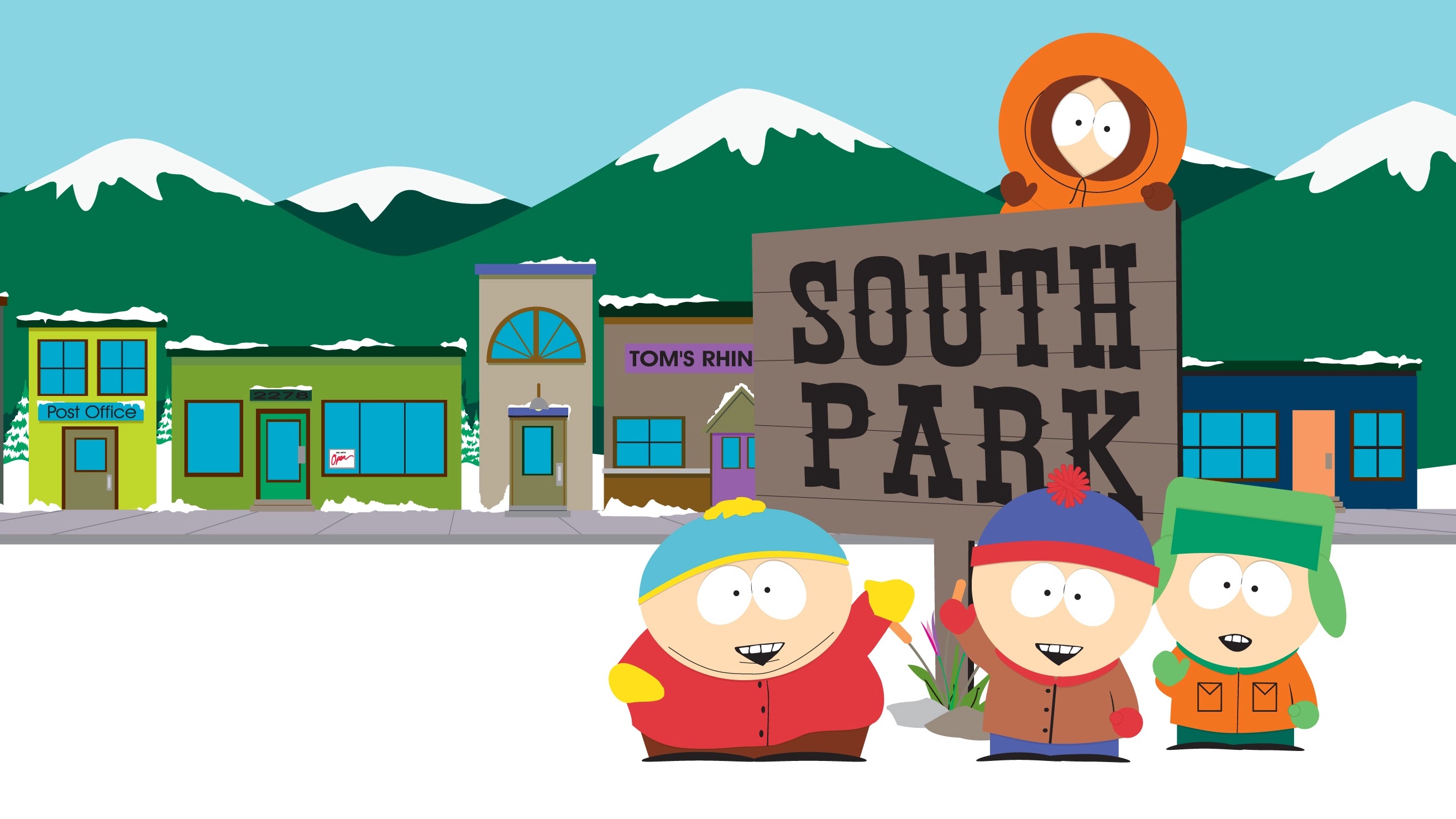
A New York trial judge has narrowed Warner Bros Discovery's lawsuit against Paramount Global over the rights to stream South Park, the animated comedy featuring foul-mouthed children, Reuters reports.

South Park

In a Monday (Nov. 13) decision, Justice Margaret Chan of the Supreme Court in Manhattan dismissed a claim that Paramount's alleged deceptive practices violated a state consumer protection law.

She also dismissed a claim that Paramount failed to act in good faith, because that claim duplicated Warner's breach of contract claim.

Lawyers for both companies did not immediately respond on Tuesday (Nov. 14) to requests for comment.

The litigation stemmed from Warner's 2019 agreement to pay more than $500 million to Paramount and South Park creators Trey Parker and Matt Stone for the exclusive right to stream more than 300 old and 30 new South Park episodes domestically on HBO Max.

Warner sued in February, saying Paramount breached the agreement by providing only 14 new episodes, and diverted other new South Park content to its Paramount+ streaming service under a $900 million agreement with Parker and Stone.

To support its claim under the consumer protection law, Warner accused Paramount of confusing consumers through statements designed to have them sign up with Paramount+.

But the judge agreed with Paramount that the lawsuit concerned a private contract dispute, not deceptive "consumer-oriented" conduct that the state law was meant to address.

She also said consumers "could, in fact, differentiate" between the two platforms, with Paramount+ being the "exclusive home" of two South Park movies per year, and HBO Max housing the series' back catalogue.

Paramount had in April countersued Warner for more than $52 million of allegedly unpaid license fees, but dropped its counterclaims last month.

Warner's remaining claims include breach of contract, tortious interference with contract, and unjust enrichment.

South Park was launched in August 1997 on Comedy Central, owned by Paramount.

The case is WarnerMedia Direct LLC v Paramount Global et al, New York State Supreme Court, New York County, No. 651001/2023.

Update (2/7/25) - Max's rights to the South Park catalog are set to expire in 2025, with the series thought to be heading to Paramount+.

Update (2/7/25) - via Deadline:

Warner Bros Discovery‘s lawsuit against over South Park streaming rights looks like it’s headed to trial. In a legal win for WBD, a Manhattan judge ruled today that defendant Paramount Global might have breached its contract with the David Zaslav-run company.

Justice Margaret Chan of New York State Supreme Court denied a motion for summary judgment by Paramount Global and MTV Entertainment Studios to dismiss the “unjust enrichment” portion of the $200 million suit (read the ruling here). The decision clears the way for the case to go before a jury.

“Plaintiff makes multiple allegations that defendants deny but at this time have neither proven nor disproven,” Chan wrote.

At issue is the right to stream episodes labeled as “specials” not specified in the companies’ deal. Chan ruled that

Paramount/MTV had argued that the unjust-enrichment portion duplicated other claims in the lawsuit and that, even if that weren’t the case, the claim should be tossed because WBD failed to plead the essential element that the defendants received a benefit at plaintiff’s expense.”

But Chan disagreed on both counts, ruling that Paramount/MTV “define the dispute too narrowly.” The defendants, she wrote, “didn’t receive third-party fees in the abstract; Paramount/MTV received the right to stream the Specials, and people who wanted to watch or advertise during the Specials gave Paramount/MTV money. That money would have gone to plaintiff if plaintiff were the one streaming the Specials. Thus, a benefit has been alleged.”

Stream a Mountain of Entertainment, including your Nickelodeon favorites on Paramount+! Try it FREE at ParamountPlus.com!


Follow NickALive! on Twitter, Reddit, Instagram, Facebook, Google News, Tumblr, via RSS and more for the latest Nickelodeon and Paramount Plus News and Highlights!

Wednesday, April 19, 2023

Paramount Faces Copyright Lawsuit Over 'Ollie’s Pack' Animated Series

Paramount Global has been hit with a copyright lawsuit alleging that the Ollie’s Pack animated children’s show that aired on its Nickelodeon channel unlawfully copied the characters in another cartoon called The Journey.


Plaintiff Tevin Murry pitched The Journey to Sell Your TV Concept Now Inc., which initially showed interest in developing the project but put it on hold in early 2020, according to the complaint filed in the US District Court for the Northern District of Georgia on Thursday (April 6).

That company’s co-founders, Jean and Mark Simon, are also listed as defendants in the case.

Produced by Nelvana, the 26-episode, 2D-animated series combines the struggles of tween life with the responsibility of controlling an entire dimension of monsters.

Ollie’s Pack follows Ollie and his backpack, which doubles as a powerful portal allowing an array of monsters to travel from the Monsterverse into Ollie’s world on Earth. Throughout the series, Ollie and his two best friends must protect the earth from the horrifying monsters that have escaped, while often utilizing the helpful monsters who assist with their everyday tween problems, like sneaking into a movie or winning their school’s Battle of the Bands contest. No matter the circumstances, Ollie’s thirst for adventure undoubtedly gets him into trouble that only he and his friends can resolve. The series is created by Pedro Eboli (Cupcake & Dino) and Graham Peterson (Rick & Morty), and is based on Monster Pack, an original short made for Nickelodeon’s 2013 Animated Shorts Program.

Ollie’s Pack made its world premiere on Nickelodeon in the U.S. in April 2020, before rolling out on Nickelodeon channels and branded blocks internationally, reaching over 170 countries and territories. The series finale aired on Nicktoons in May 2021.

For more information about the case, visit Bloomberg Law (paid subscription required).

More about the case, via Lexology:

Writer of Teen TV Show Sues Consultants, Nickelodeon for Copyright Heist

Womble Bond Dickinson (US) LLP
MEMBER FIRM OF Lex Mundi

USA | April 17 2023

Tevin Murry v. Jeanne Simon et al., Civil Action No. 1:23-cv-01493-MLB (N.D. Ga., Apr. 6, 2023)

Plaintiff Tevin Murry, writer/creator of a proposed teen-focused television show exploring themes relating to bullying, is suing the consultants who helped him commercialize the project, and who he alleges stole his idea and sold it to Nickelodeon.

In his Complaint, Murry claims copyright over the characters in his original, creative work entitled “The Journey” with the U.S. Copyright Office in 2017 (Copyright Registration No. VAu001312124). Complaint, at 1. Murry also claimed copyright over the story under the name “The Journey” the following year (Copyright Registration No. TXu002075184). Id.

In April 2020, Paramount’s Nickelodeon channel aired the first episode of a cartoon show, produced by Defendant Nelvana, entitled “Ollie’s Pack.” Id. at 2. Murry alleges Defendant Nelvana’s work is “strikingly similar . . . too much so to be an independent creation.” Id. Murry’s Complaint outlines a thorough list of similarities between the works, ranging from similarities between the main characters to similarities revolving around other story elements and illustrations. See id. at 8-9. The final episodes of Ollie’s Pack aired on Nicktoons from May 3 to 6, 2021. Id. at 8.

The Complaint seeks judgment for copyright infringement and contributory copyright infringement under federal copyright law, an accounting of all the Defendants’ profits gained from their alleged unlawful use of Plaintiff’s work, and damages related to Defendants’ past infringement and all future broadcasts, digital releases and licenses, among others.

The case has been assigned to Judge Michael L. Brown.

Stream a Mountain of Entertainment, including your Nickelodeon favorites on Paramount+! Try it FREE at ParamountPlus.com!


Originally published: April 08, 2023.

Follow NickALive! on Twitter, Reddit, Instagram, Facebook, Google News, Tumblr, via RSS and more for the latest Nickelodeon and Ollie's Pack News and Highlights!

Saturday, March 04, 2023

Paramount to Pay $122.5 Million to Settle Lawsuit Over CBS-Viacom Merger

Paramount Global has agreed to pay $122.5 million to settle a 3-year-old lawsuit brought by several large investment funds that believed the company pushed through the 2019 merger of Viacom and CBS at the expense of minority shareholders.


The settlement, revealed in a financial filing by Paramount, marks the resolution of the suit filed in Delaware Chancery Court.

The plaintiffs argued the company’s controlling shareholder Shari Redstone, now chairman of Paramount Global, breached her fiduciary duties by filling the Viacom board with friends and allies so that she could push through her merger agenda.

The suit contended that the Viacom-CBS merger was enacted to protect the fortunes of the Redstone family and its investment vehicle, National Amusements Inc., rather than rank-and-file CBS shareholders. Under the nearly $12-billion deal, CBS, the top-rated broadcast television network, combined with Viacom, which owned such iconic brands as Nickelodeon, MTV, Comedy Central and Paramount Pictures.

CBS and Viacom were first merged in 2000. But the companies were separated in 2006 when Sumner Redstone, Shari’s father, feared that the challenges facing CBS’ broadcast business would slow the growth of the stock. CBS turned out to be the more prosperous company in the years that followed.

The Redstone family controlled nearly 80% of the voting stock of both Viacom and CBS. The merged company was renamed Paramount Global in 2022.

A judge in Delaware must approve the settlement that was reached earlier this week, according to the filing. Several suits filed by disgruntled groups of Viacom shareholders were consolidated into a single case by the court.

CBS and Viacom were together worth more than $30 billion before the merger was announced in mid-2019.

After the merger, the company posted weak earnings, compounded by the coronavirus outbreak. On Friday (March 3), the price of Class B shares of Paramount Global stock closed at $22.60 and is down 33% over the past year.

Stream a Mountain of Entertainment, including your Nickelodeon favorites on Paramount+! Try it FREE at ParamountPlus.com!


Originally published: March 04, 2023.

Original sources: Los Angeles Times.

Follow NickALive! on Twitter, Reddit, Instagram, Facebook, Google News, Tumblr, via RSS and more for the latest Nickelodeon and The Thundermans Return News and Highlights!

Saturday, February 25, 2023

Warner Bros. Discovery Sues Paramount Global Over ‘South Park’ Licensing Dispute

HBO Max’s parent company has filed a lawsuit that accuses Paramount Global of reneging on parts of the $500 million licensing deal set in 2019 for the streaming rights to episodes of Comedy Central's hit animated series South Park.

©Comedy Central/Courtesy of Everett Collection

The suit, filed Friday (Feb. 24) in New York state Supreme Court, asserts that Paramount breached the contract by steering South Park specials and other content to its own Paramount+ platform.

The suit alleges that Paramount “blatantly intended to prop up Paramount+ at the expense of Warner/HBO,” and that Paramount engaged in “multiple and flagrant duplicitous contortions of fact and breaches of contract.”

“Warner/HBO brings this lawsuit to vindicate its rights and recover the hundreds of millions of dollars in damages incurred as a result of Defendants’ misconduct,” the suit alleges.

HBO Max set a whopping licensing pact with Paramount for rights to South Park episodes in October 2019 as then-parent company AT&T was preparing to launch the HBO Max streaming platform in May 2020.

South Park has been a staple of Paramount Global’s Comedy Central cable channel for more than 25 years. The enduring animated comedy, which hails from Trey Parker and Matt Stone, is in its 26th season and has amassed more than 300 episodes to date.

The lawsuit alleges that when HBO Max bid on the South Park streaming rights, it did so with the assurance that there would be three new seasons of 10 episodes each. The suit alleges, however, that only two episodes were delivered for the first of those seasons and only six for the second. HBO Max understands that the third season will also consist of of six episodes — for a total of 14 across the three seasons.

The suit alleges that new episodes are far more valuable than old ones, and that therefore HBO Max dramatically overpaid for the library.

Meanwhile, in 2021, MTV — a Paramount subsidiary — announced a $900 million deal with Parker and Stone for exclusive South Park content that would run on Paramount+. In the press release, an MTV executive was quoted as saying that the deal would “help fuel Paramount+.”

The suit also quotes Stone as saying, “We have f*ck you money now” in reference to the deal.

HBO Max argues that the deal required diverting content that should have fallen under its 2019 contract to Paramount+ instead. The suit alleges that Paramount engaged in “verbal trickery” and “grammatical sleight-of-hand,” characterizing the new content as “movies,” “films” or “events” — but not “episodes” — to avoid its obligations under the 2019 agreement.

Under the MTV deal, Paramount+ would get 14 “made for streaming” movies. Four of those “movies” have already run on Paramount+: South Park: Post Covid, South Park: Post Covid: The Return of Covid, South Park The Streaming Wars Part 1, and South Park The Streaming Wars Part 2.

In response, Paramount denied the allegations. The company also accused Warner Bros. Discovery of failing to pay the license fees that it owes under the agreement.

“We believe these claims are without merit and look forward to demonstrating so through the legal process,” a Paramount Global spokesperson said. “We also note that Paramount continues to adhere to the parties’ contract by delivering new South Park episodes to HBO Max, despite the fact that Warner Bros. Discovery has failed and refused to pay license fees that it owes to Paramount for episodes that have already been delivered, and which HBO Max continues to stream.”

Friday, June 10, 2022

ViacomCBS Wins Lawsuit Against 'SpongeBob'-Themed Pop-Up Bar in Houston for Trademark Infringement

Update (6/10/22) - A Texas federal judge has ordered an owner of a now-closed Rusty Krab pop-up restaurant and bar to fork over $6 million as part of an intellectual property suit from Viacom International over SpongeBob SquarePants. According to a Wednesday final judgment, U.S. District Judge Ewing Werlein Jr. awarded Viacom $6 million in copyright damages against Pixi Universal, which does business as Kefi HTX.

The decision — which ruled on a stipulated consent judgment and permanent injunction — said Pixi had to transfer certain website domain names to Viacom. For more on the outcome, visit Law360.

Houston pop-up restaurant and bar The Rusty Krab infringes ViacomCBS’s intellectual property rights in the SpongeBob SquarePants franchise, the company says in a lawsuit filed in federal court in Texas.


The SpongeBob SquarePants animated series has aired on Viacom’s Nickelodeon networks since 1999, and has spawned multiple feature films, a Broadway musical, video games, and more. ViacomCBS owns numerous federal trademark registrations related to the franchise, common law rights to character names and other series elements, and over 400 federal copyright registrations for SpongeBob-related works, the company says in its complaint.

The Rusty Krab bills itself as a SpongeBob SquarePants-inspired experience for the ultimate Bikini Bottom fan, complete with multi-room photo ops, daily activities like scavenger hunts, and tropical food and cocktails with names like chum nuggets (buffalo chicken bites) and Pinky the Star’s Hideaway, a drink make with peach Ciroc, Malibu and Sprite.

The Rusty Krab was opened by owner Sam Chand in the Capitol Loft area of Houston, Texas, the same space where a Harry Potter pop-up shop was opened years prior. The bar, by Pixi Universal, sells SpongeBob-themed food and drinks, but clarified that it was “not affiliated, associated, authorized, endorsed by, or in any way officially connected with Nickelodeon, or the SpongeBob brand directly,” according to a disclaimer. Instead, Chand describes it as an “artistic adaptation recreation of an amazing series that added value to our childhood.”

Pop-ups like the Rusty Krab try to circumvent copyright laws with sideways references to the original inspiration — Rusty Krab is of course a reference to Krusty Krab, the fictional fast food restaurant on the show. Instead of Squidward, the Rusty Krab’s dour cashier is named Octoword. Patrick Star is referred to as Pinky, and SpongeBob himself is known instead as “The Big Sponge.”

However, ViacomCBS, which owns the rights to all SpongeBob IP, is suing the Rusty Krab over allegations of trademark infringement by using names, images, characters and re-creations from the show throughout its restaurant and on its menu, and according to the suit, even advertises the place as "Houston’s VERY FIRST Spongebob Squarepants Inspired Pop Up Restaurant and Bar!".

In a lawsuit filed in the United States District Court on August 11, Viacom alleges that the pop-up is “a bad-faith attempt to capitalize on the success of the SpongeBob SquarePants franchise,” arguing that the restaurant’s branding is specifically targeted towards children despite serving a menu of mostly alcoholic beverages. According to Viacom, associating any SpongeBob marks with alcohol is a violation of its licensing terms for any product, much less an unauthorized pop-up.

The lawsuit further alleges that the Rusty Krab’s use of trademarked SpongeBob imagery on its social media pages has deceived parents into thinking that the bar is officially affiliated with the show, and that it has received “numerous public complaints from concerned parents who, after paying high ticket prices believing they would get an authentic SpongeBob SquarePants experience, voiced disgust at the Infringing Restaurant’s purportedly unsanitary conditions and unsafe food.”

The media conglomerate has also accused the pop-up of illegal cybersquatting for using the phrase “rusty krab” in its domain name.

Among the many alleged infringements, Viacom says Rusty Krab's drink menu uses numerous well-known hallmarks of the beloved animated series -- like "Pineapple Under the Sea," "Bikini Bottom," "Secret Formula" and "I’m Ready" -- to sell alcohol, which Viacom claims would violate its licensing policy for the trademarks on its kid’s show.

Numerous social media reviews of the pop-up refer to high ticket prices on top of additional charges for middling food and drinks, mandatory 18% gratuity even for small parties, plus worn and dirty costumes, soiled couches, insulation hanging from holes in the ceiling, and other issues.

Chand explained that he only opened the pop-up bar for people to have fun and enjoy the space that he created using the popular kids show properties.

“The most important thing for me is for people to have fun here. They spend a lot of money to come through. We have people traveling from out of state just to experience this,” he says. “I want them to be satisfied with the photo ops, the exhibits, the interactive games, the food and drinks — the whole enchilada.”

Viacom argues that these conditions harm the “trusted Nickelodeon brand,” and have asked that the pop-up’s parent company, Pixi Universal, immediately cease using any SpongeBob imagery, trademarks, or names affiliated with the show. The company also seeks $350,000 in compensatory damages, any profits from the restaurant’s sales, and a 10 percent royalty fee. The company is also suing to stop the pop-up shop from doing further business.

Viacom apparently first sent a cease-and-desist to Pixi on May 25, before the lawsuit was filed. The very next day, the restaurant announced it was extending its run through August 1. As of press time, tickets for the pop-up are now available through the end of 2021.

A disclaimer on the Rusty Krab’s website reads thusly: “We are not affiliated, associated, authorized, endorsed by, or in any way officially connected with Nickelodeon, or the Spongebob brand directly, or any of its subsidiaries or its affiliates. This is Kefi HTX’s artistic adaptation recreation of an amazing series that added value to our childhood!”

This isn’t the first time that Viacom has sued a Houston-area restaurant over its use of SpongeBob’s image. In 2017, the company sued a pop-up called the Krusty Krab before it could even open its doors in Kemah. In that case, the restaurant owner claimed that he’d never heard of SpongeBob, and decided it “wasn’t a big enough deal” to reconsider changing the name.

TMZ, who first reported on the lawsuit, spoke to Sanju “Sam” Chand, the owner of the pop-up. Chand said the bar was intended strictly as a parody, and that there has been no consumer confusion.

Chand’s company has not yet responded to the lawsuit in court.

The complaint can be read in full here.


Originally published: August 13, 2021.


Follow NickALive! on Twitter, Reddit, Instagram, Facebook, Google News, Tumblr, via RSS and more for the latest Nickelodeon and SpongeBob SquarePants News and Highlights!

Wednesday, May 11, 2022

Paramount Wraps Up Latinx Ex-Nickelodeon Exec's Race Bias Suit

ViacomCBS has been accused in a federal racial discrimination lawsuit of stereotyping a former employee as a “dumb Latina” and denying her career advancement, TheWrap is reporting.

Update (5/11) - Paramount Global/ViacomCBS has reached a deal to resolve a New York federal lawsuit from a former Nickelodeon employee who said she was pigeonholed as a "dumb Latina," made to do menial housekeeping. The full story can be read on Law360 (paid subscription required).


The employee, Patricia Senior, worked in the consumer products division from 2016 until 2020. She began as a director in consumer products planning for Nickelodeon. In the lawsuit, Senior says she faced rampant discrimination including that her bosses initially didn’t think she could speak fluent English. She further claims that she was fired for complaining about being discriminated against.

“At ViacomCBS, however, Senior was stereotyped as a ‘dumb Latina,’ prohibited from writing emails to her boss; consigned to doing clerical work and housekeeping, notwithstanding her having a Master of Business Administration from Columbia University; denied repeated requests for more challenging assignments; blocked from well-deserved professional advancement; subjected to unjust criticism; and, when she complained about the unrelenting discrimination, fired in retaliation,” the lawsuit says.

Senior said that on her first day, a vice president she reported to, Richard Morris, “had her sit beside him while he dictated emails for her to send to SVP [Andrea] Fasulo and other executives.” The lawsuit continued that after a month she was not allowed to email Fasulo directly over what was described as “minor grammatical mistakes.”

“Other Consumer Products Marketing team members who sent emails with spelling and grammatical errors were not punished in the same way, if at all,” the lawsuit continued.

Senior adds in the lawsuit that she, along with many other Latinx employees at ViacomCBS, were denied “well-deserved promotions, passed over for professional opportunities, and made to do unskilled housework and menial work beneath their respective job titles.”

ViacomCBS did not immediately respond to TheWrap’s request for comment.


Originally published: December 15, 2021.

Follow NickALive! on Twitter, Reddit, Instagram, Facebook, Google News, Tumblr, via RSS and more for the latest Nickelodeon News and Highlights!

Wednesday, November 03, 2021

Judge Rules Business Can't Open "Krusty Krab" Joint in Kemah, Texas

A federal judge has ruled that a Houston, Texas-based company cannot open a restaurant called The Krusty Krab in Kemah because of trademark infringement, the Houston Press is reporting.

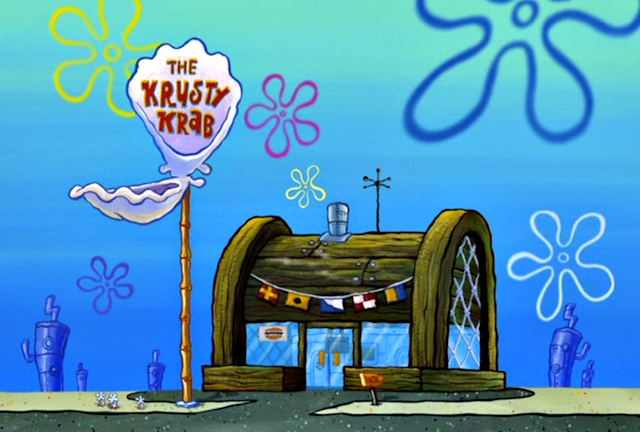
IJR Capital should be happy it was spared the wrath of Mr. Krabs, who once threatened the Chum Bucket for trying to steal his Krabby Patty recipe. From the lawsuit.

Viacom International sued IJR Capital Investments after discovering its plans to open its own Krusty Krab in November 2015. The TV giant, which owns Nickelodeon, accused the entrepreneurs of trying to piggyback off the Krusty Krab's well-established fame and reputation in order to make money, claims that IJR Capital adamantly denied.

In an opinion last week, U.S. District Judge Gray H. Miller issued the blow to IJR, laying out in great detail how the fictional Krusty Krab — home to Mr. Krabs's famous Krabby Patty and where SpongeBob and his perpetually unenthused friend Squidward are employed — rose to distinguished prominence amongst fans of the beloved animated series.

The Krusty Krab has appeared on 249 episodes of SpongeBob SquarePants, appeared in SpongeBob videogames, on baseball hats and shirts, in books called Jokes from the Krusty Krab and Trouble at the Krusty Krab!, and has been manufactured as Lego sets, cake decorations, aquarium adornments and even costumes, according to Viacom. As a result, Miller concluded there's a good chance that restaurant-goers would confuse IJR's Krusty Krab seafood restaurant with the one located in SpongeBob's hometown, Bikini Bottom.

Javier Ramos, owner of IJR Capital Investments, told the Houston Press that he found Miller's ruling unfair, and that he planned to appeal it and fight Viacom to the end. Ramos said he had never heard of SpongeBob before conceiving of the seafood restaurant, and once he looked it up on the Internet, still didn't think Mr. SquarePants was a big enough deal for him to choose a different name.

“I don't think SpongeBob is that famous,” he said. “I think it's more of a niche fame. There's too many legal questions about whether it would be confusing or not, but I didn't think it would. I don't think anybody would drive by the Gulf Freeway and think, 'Hey, there's SpongeBob's restaurant.'”

Since its launch July 17, 1999, SpongeBob SquarePants has reigned as the number-one animated series on TV for the last 18 years, while generating a universe of beloved characters, pop culture catchphrases and memes, theatrical releases, consumer products, a Tony Award®-winning Broadway musical and a global fan base.  SpongeBob SquarePants is the most widely distributed property in ViacomCBS Networks International history, seen in more than 170 countries and territories, translated in 30+ languages, and averaging more than 100 million total viewers every month.

IJR tried to argue that, since Viacom never specifically registered the Krusty Krab for a trademark, it was fair game for usage. Yet Judge Miller, citing case law, disagreed, saying that ownership of a mark is established by use and popularity in the marketplace, not registration.

He brought in SpongeBob to help explain this law in a useful footnote: “As SpongeBob Squarepants says, 'You don't need a license to drive a sandwich.'”

Ramos said he had tried to settle with Viacom and suggested new names for the restaurant such as “Crusty Crab” or “Krusted Krab,” but said Viacom continued to “bully” his company and would not agree to those names. (According to Miller's ruling, IJR's lawyers argued that calling the restaurant the Krusty Krab with K's was important because K's are more “aesthetically pleasing” than C's. In a footnote, the court defended the letter C as also aesthetically pleasing.)

Judge Miller did not grant Viacom's claims of dilution, in which Viacom argues that IJR's use of the Krusty Krab has already tarnished its reputation.

“The court imagines an appropriate reaction from SpongeBob SquarePants would be, 'Aw, tartar sauce,'” Miller wrote.

Watch SpongeBob SquarePants and The Patrick Star Show on Nickelodeon and 200 episodes of SpongeBob, The SpongeBob Movie: Sponge On The Run, Kamp Koral: SpongeBob's Under Years and The SpongeBob Musical on Paramount+! Try it FREE at ParamountPlus.com.
Listen to The SpongeBob Musical here!: https://spongebobmusical.blogspot.com

CALLING ALL GOOFY GOOBERS! (ROCK!) Are ya ready for a deep dive into the world of SpongeBob SquarePants? The SpongeBob YouTube channel is THE PLACE for all fan-favorite SpongeBob moments! We’re serving up everything from legendary scenes to remixes of classic songs to deep dives into Bikini Bottom lore. Be sure to check back every week for Music Mondays, Wumbo Wednesdays, and Flashback Fridays! Subscribe now at https://www.youtube.com/SpongeBobOfficial!

Shop SpongeBob!: https://www.spongebobshop.com - SpongeBob face masks now available, with ALL proceeds going to charity!


Follow NickALive! on Twitter, Reddit, Instagram, Facebook, Google News, Tumblr, via RSS and more for the latest Nickelodeon, The Patrick Star Show and SpongeBob SquarePants News and Highlights!

Monday, May 17, 2021

'Top Chef Junior' Contestant Files Lawsuit Alleging Nickelodeon Used Her Likeness on 'Middle School Moguls' Without Permission

The St. Louis, MO-based law firm of Carey, Danis and Lowe recently filed suit in St. Louis Circuit Court on behalf of Rahanna Bisseret Martinez, a young chef who was featured on Top Chef Junior in 2017.


The show featured 12 young chefs who competed in a fashion similar to that of the popular culinary show Top Chef, which features adult competitors.

STL barrister Jack Garvey, one of the attorneys listed as representing Martinez, said his firm picked up the case through a relationship it has with a Los Angeles firm.

The suit claims that Nickelodeon, a ViacomCBS International Inc. company, used Martinez's likeness without her permission.

Martinez, now 17, is an Oakland, California, native but Garvey said that since the show was aired in the STL market, the courts there are an acceptable venue for filing the suit.

The other local lawyers listed on Martinez's side are Jeffrey Lowe and Paul Maddock.

Martinez made it to the finals of the show, which aired in early 2018. She then was the subject of several features, including articles in the Los Angeles Times, Food & Wine magazine and several YouTube videos.

The suit claims that Nickelodeon created an animated series in 2019 about the adventures of young chefs.

The show, Middle School Moguls, included a character that bore a resemblance to Martinez — including making references to the character's Haitian heritage and being clothed in an outfit similar to the one worn by Martinez on Top Chef Junior.

Airing during fall 2019, Middle School Moguls was a series of animated specials that chronicled the ambitions of four new friends striving to create their own companies while attending Mogul Academy, an entrepreneurial school where kid-business dreams come true.

Rahanna Martinez, left, and animated character from "Middle School Moguls." (Photos from lawsuit filed in St. Louis Circuit Court)

The suit alleges that Nickelodeon "made no offer to Ms. Martinez and never licensed any rights to her likeness for use in the series."

The claim asks for a minimum of $25,000 on each of the three counts: two instances of invasion of privacy and one claim of unfair competition.

ViacomCBS officials could not be reached for comment, reports STLtoday.com.


Originally published: Monday, May 17, 2021.

Follow NickALive! on Twitter, Tumblr, Reddit, via RSS, on Instagram, and/or Facebook for the latest Nickelodeon News and Highlights!

Wednesday, March 17, 2021

ViacomCBS Sues Insurer Over Denial Of COVID-19 Coverage

ViacomCBS filed a suit in California federal court on Thursday, January 14, 2021, alleging Great Divide Insurance Co. reneged on its coverage agreement by refusing to protect the media giant from losses when it was forced to delay or cancel production for its television shows and live events due to the COVID-19 pandemic, Law360 is reporting.


ViacomCBS, which produces television shows like Danger Force, The Astronauts and Side Hustle as well as live events like the Nickelodeon Kids' Choice Awards and SlimeFest, said in its complaint that it bought an insurance policy from Great Divide, a subsidiary of W. R. Berkley Corp., to protect against losses should events ever disrupt its productions.

When the COVID-19 (coronavirus) pandemic hit in March 2020, ViacomCBS said it delayed principal photography on more than 100 television productions and was forced to postpone productions, like the 2020 Kids' Choice Awards. As a result, the company suffered substantial financial losses, according to the suit.

But when it turned to Great Divide for payment, ViacomCBS said the insurance company interpreted the policy in "an overly narrow and wrongful manner" and refused to cover various losses. And instead of continuing the policy, as required under the agreement, for its third annual period, Great Divide only offered to continue it if an exclusion was included for losses related to COVID-19, according to the complaint.

While Great Divide has had an insurance industry standard form exclusion for certain losses caused by viruses and bacteria since 2006, ViacomCBS said that exclusion was not part of its insurance policy. The policy provides $30 million of cast coverage, $10 million of extra expense, $10 million for imminent peril coverage, $1 million in civil authority coverage and $1 million in ingress and egress coverage, the suit states.

"Great Divide did nothing in selling the policy to limit its liability for virus- or pandemic-associated risks," ViacomCBS said. "Nor did Great Divide warn ViacomCBS that even though it did not include a virus or pandemic exclusion, it would interpret the policy as if it contained one."

The suit includes claims of breach of contract and seeks declaratory relief to have the policy renewed without any amendments. It also seeks coverage for losses on production, as well as damages and attorney fees.

Counsel for ViacomCBS did not immediately respond to a request for comment Friday and a representative for Great Divide could not be immediately reached for comment.

ViacomCBS is one of several companies to go after its insurance company for not paying out on COVID-19 losses. Last month, hotel operator Procaccianti sued insurer Zurich American for failing to cover losses it incurred during state-mandated COVID-19 shutdown orders, while Zurich hit back saying its policy expressly excludes viruses as a covered cause of loss.

That same month, a Pennsylvania hotel said its losses from pandemic measures ordered by Gov. Tom Wolf should be covered by Westfield Insurance Co., while movie theater chain Cinemark Holdings Inc. is seeking more than $400 million from Factory Mutual Insurance Co. for unpaid COVID-19 business interruption claims.

Meanwhile, the owners of the Philadelphia Union Major League Soccer team this month sued Chubb unit Federal Insurance Co., alleging the insurer refused to honor its $192 million policy to cover COVID-19-related losses after their athletes caught the virus that affected its properties.

But judges have also recently been tossing these kinds of cases out left and right.

A London judge in December rejected a cafe owner's pursuit of Allianz for losses caused by the forced closure due to the pandemic, instead awarding the insurer's costs.

And just last week, a Florida federal judge tossed a Miami catering company's lawsuit seeking to force Scottsdale Insurance Co. to pay for COVID-19-related losses, while another Florida judge rejected a Miami restaurant chain's lawsuit seeking to compel Aspen Specialty Insurance Co. to cover its losses. A Texas federal judge shot down a dentist's suit seeking coverage from Aspen.

ViacomCBS is represented by Kirk Pasich, Anamay M. Carmel and Caitlin S. Oswald of Pasich LLP.

Counsel information for Great Divide was not immediately available.

The case is ViacomCBS Inc. v. Great Divide Insurance Co., case number 2:21-cv-00400, in the U.S. District Court for the Central District of California.

Update - from Law360:

Insurer Countersues ViacomCBS Over COVID-19 Coverage

Law360 (March 15, 2021, 8:19 PM EDT) -- Great Divide Insurance Co. has countersued ViacomCBS in California federal court, alleging the media conglomerate "prematurely" brought a COVID-19 business interruption lawsuit against it after ViacomCBS failed to cooperate in its claim investigation.

The insurance company said Friday that Viacom did not provide requested documentation relating to its insurance claim, but sued Great Divide when the carrier was still investigating its claim and trying to figure out the details of its alleged loss.

In January, ViacomCBS claimed Great Divide reneged on its coverage agreement by refusing to protect the media giant from losses when it was forced to delay or cancel production for its TV shows and live events because of the COVID-19 pandemic.

ViacomCBS, which produces shows including "Yellowstone" and "Younger" as well as live events like the "Nickelodeon Kids' Choice Awards," said in its suit that its policy with Great Divide, a subsidiary of W. R. Berkley Corp., provides $30 million of cast coverage, $10 million of extra expense, $10 million for imminent peril coverage, $1 million in civil authority coverage and $1 million in ingress and egress coverage.

When the pandemic hit in March 2020, ViacomCBS said it delayed principal photography on more than 100 TV productions, was forced to postpone shows and suffered millions of dollars of losses. The media company alleged Great Divide also insisted on adding a COVID-19 related exclusion into the policy for its third policy year.

On Friday, Great Divide said it has every right to review rates and revise the policy at the end of the second policy year as the insurance contract clearly stated. The carrier also asked the court to declare the policy's "loss of market or use" exclusion applies and the insurance does not cover business interruption unless it was caused by "direct physical loss."

Viacom's policy potentially covers extra costs the media company spent to avoid a covered loss instead of all COVID-19 related losses such as production costs before and during the pandemic, Great Divide said. But Viacom never fully provided information to show how much it has increased spending following its alleged loss, the insurer added.

The carrier said it has asked for information on all TV shows for which Viacom sought coverage for losses, and while the entertainment company has provided some, it did not do so for others.

For example, the insurer said, Viacom has not sent information about "Rich Kids Go Skint," a reality show featuring one 18-to-25-year-old "rich kid" living with a more modest family to show lifestyle differences, and "The Other Two," a Comedy Central series to be aired on HBO Max about a brother and sister struggling with their feelings about their 13-year-old brother's rise to fame.

Great Divide is seeking a declaration that it is not obligated to cover all of Viacom's pandemic-related losses, that Viacom failed to show proof of immediate danger as requested, and that it properly renewed the insurance.

Representatives for the parties could not be immediately reached for comment on Monday.

ViacomCBS is represented by Kirk Pasich, Anamay M. Carmel and Caitlin S. Oswald of Pasich LLP.

Great Divide is represented by Linda W. Hsu of Selman Breitman LLP.

The case is ViacomCBS Inc. v. Great Divide Insurance Co., case number 2:21-cv-00400, in the U.S. District Court for the Central District of California.

###

More Nick: 2021 on Nickelodeon | New Shows, Specials, Podcasts, Events, Movies, Episodes, and More!

Originally published: Saturday, January 16, 2021.

Follow NickALive! on Twitter, Tumblr, Reddit, via RSS, on Instagram, and/or Facebook for the latest Nickelodeon News and Highlights!

Wednesday, August 12, 2020

Nick Cannon Is NOT Suing ViacomCBS Over 'Wild 'N Out'

Despite the swirling rumors, Nick Cannon is not suing ViacomCBS over his MTV show Wild 'N Out, which was previously reported by The Shade Room. A spokesperson for Cannon told Newsweek that there is no truth to the rumors and they cannot attribute any comment to the news.


Nick Cannon attends the Premiere Of Netflix's "Sextuplets" at ArcLight Hollywood on August 07, 2019 in Hollywood, California. Credit: LEON BENNETT/WIREIMAGE/GETTY

The Shade Room reported on August 12 that the television personality was prepared to file a lawsuit against ViacomCBS for $1.5 billion over his sketch comedy and improv game show. Cannon created the show and serves as its host, and executive producer.

Cannon was reportedly taking legal action after his contract was terminated after he made anti-semitic remarks during an episode of his podcast, Cannon's Class. According to The Blast, the $1.5 billion in damages Cannon allegedly sought was the estimated value of Wild 'N Out.

On July 14, Cannon was dropped from ViacomCBS after calling Black people "true Hebrews."

"You can't be anti-Semitic when we are the Semitic people," Cannon said during a June episode of his podcast, which included former Public Enemy member Professor Griff. In a 1989 interview, Griff blamed Jewish people for "the majority of wickedness that goes on across the globe."

"When we are the same people they want to be. That's our birthright," Cannon added.

The media personality had been working with ViacomCBS for over 20 years under the Nickelodeon and MTV brands of the media company.

"While we support ongoing education and dialogue in the fight against bigotry, we are deeply troubled that Nick has failed to acknowledge or apologize for perpetuating anti-Semitism, and we are terminating our relationship with him," a statement from ViacomCBS read on July 14.

The day before Cannon was fired from the media conglomerate, he took to Facebook to explain himself. "Anyone who knows me knows that I have no hate in my heart nor malice intentions," Cannon wrote at the time. "I do not condone hate speech nor the spread of hateful rhetoric. We are living in a time when it is more important than ever to promote unity and understanding."

Although Cannon shared another Facebook post where he apologized for his remarks on July 15, he demanded for the complete ownership of Wild 'N Out, along with complete ownership for the MTV show.

"As for Viacom, who is now on the wrong side of history, I will continue to pray for you," Cannon wrote. "I don't blame any individual, I blame the oppressive and racist infrastructure. Systemic racism is what this world was built on and was the subject in which I was attempting to highlight in the recent clips that have been circulating from my podcast. If I have furthered the hate speech, I wholeheartedly apologize."

"But now I am the one making demands," he continued. "I demand full ownership of my billion dollar Wild 'N Out brand that I created, and they will continue to misuse and destroy without my leadership! I demand that the hate and back door bullying cease and while we are at it, now that the truth is out, I demand the Apology!"

Newsweek did not receive comment from ViacomCBS at the time of publication.

More Nick: Nickelodeon Upfront 2020 Roundup!
Follow NickALive! on Twitter, Tumblr, Reddit, via RSS, on Instagram, and/or Facebook for the latest Nickelodeon News and Highlights!